|
Getting your Trinity Audio player ready...
|
Jaundice: Causes, Symptoms, Diagnosis, Treatment & Prevention
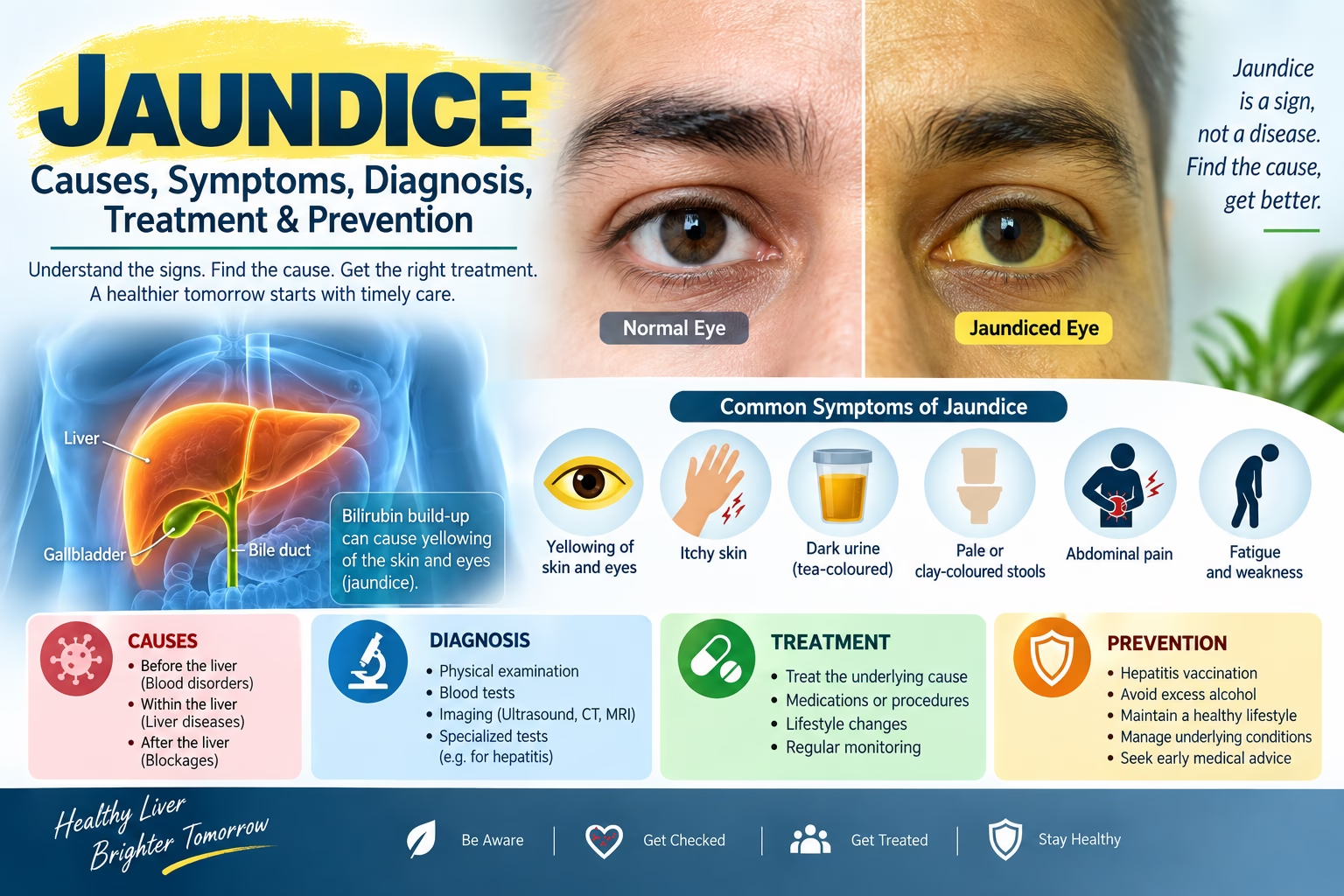
Jaundice is a condition that causes the skin and the whites of the eyes to develop a yellow tint. This yellow colour is the result of a build-up of bilirubin in the bloodstream. Although jaundice itself is not a disease, it is almost always a sign of an underlying medical problem, some of which can be serious. Because of this, anyone who develops yellowing of the skin or eyes should seek medical attention promptly. Early assessment can make a significant difference in diagnosis, treatment, and recovery.
Understanding What Jaundice Is
Bilirubin is a yellow pigment created when the body breaks down old red blood cells. Normally, bilirubin passes through the liver, then mixes with bile, and is eventually excreted through the digestive system. When the process works smoothly, bilirubin levels remain low and the skin retains its normal colour.
Jaundice develops when something interferes with this system—either because the body is producing too much bilirubin, the liver cannot process it efficiently, or something is blocking bile flow. When bilirubin accumulates in the blood, it begins to deposit in tissues, causing them to appear yellow. This change is often most visible first in the whites of the eyes, known as the sclera, because they naturally have a lighter colour.
While jaundice is more easily spotted in people with lighter skin, it can occur in anyone. In people with darker skin, it may be less noticeable on the face or body, but the eyes will still take on a yellow appearance. For this reason, checking the eyes is one of the most reliable ways to detect jaundice.
When to Seek Urgent Medical Advice
- Your skin looks unusually yellow
- The white part of your eyes appears yellow
Alongside yellowing, some additional symptoms may occur, including:
- Itchy skin (pruritus)
- Dark urine, sometimes described as tea-coloured
- Pale or clay-coloured stools, due to reduced bile reaching the intestines
These changes indicate that bilirubin and bile flow may be affected. Even if you feel generally well, jaundice warrants medical assessment to find the underlying cause.
How Jaundice Appears in Different People
Jaundice varies in appearance depending on factors such as skin tone, lighting, and how high bilirubin levels are. On lighter skin, yellowing of the face, hands, or chest is often very noticeable. On darker skin, the skin itself may not show obvious changes, but the whites of the eyes will still develop a distinctive yellow tint. In both cases, the change typically begins subtly before becoming more pronounced over time.
Photographs often used in medical settings demonstrate these differences clearly. For example, one image may show a pale-skinned hand beside a yellow-tinged hand for comparison, while another may show how the sclera changes colour in people with different skin tones. This comparison is especially important because jaundice may otherwise be missed in its early stages.
Why Jaundice Happens: The Role of Bilirubin
To understand jaundice, it helps to understand bilirubin and the journey it takes through the body.
- Production
As red blood cells age, they are broken down by the spleen, liver, and bone marrow. This process releases haemoglobin, which is converted into bilirubin.
- Transport
Bilirubin travels to the liver. At this stage it is “unconjugated,” meaning it is not yet water-soluble.
- Processing by the Liver
The liver converts unconjugated bilirubin into “conjugated” bilirubin, which can be excreted safely through bile.
- Excretion
Conjugated bilirubin is released into the bile ducts, stored in the gallbladder, and eventually travels into the digestive system to be eliminated.
If anything goes wrong in this sequence—from excessive red blood cell breakdown to liver problems or bile duct blockages—bilirubin builds up, resulting in jaundice.
Major Causes of Jaundice
Many different health conditions can lead to jaundice. Some are mild or temporary, while others require urgent treatment. Broadly, the causes fall into three categories: before the liver, in the liver, and after the liver.
- Causes Before the Liver (Pre-hepatic Jaundice)
These causes involve conditions that lead to the excessive breakdown of red blood cells (haemolysis). When red cells break down too quickly, bilirubin production increases faster than the liver can process.
Examples include:
- Sickle cell disease
- Thalassemia
- Certain autoimmune blood disorders
- Reactions to medications or toxins
In these cases, the liver itself is functioning normally, but is overwhelmed by the volume of bilirubin.
- Causes Within the Liver (Hepatic Jaundice)
These are conditions that damage or inflame the liver, reducing its ability to process bilirubin.
Common examples include:
- Hepatitis (viral, alcoholic, autoimmune, or drug-induced)
- Alcohol-related liver disease
- Fatty liver disease
- Liver cirrhosis
- Liver infections or genetic conditions affecting metabolism
Hepatic jaundice often occurs alongside other symptoms, such as fatigue, abdominal pain, nausea, or swelling of the abdomen.
- Causes After the Liver (Post-hepatic or Obstructive Jaundice)
This type happens when bilirubin is processed normally by the liver but cannot reach the intestines due to a blockage.
Conditions that may cause obstruction include:
- Gallstones, which are one of the most common causes
- Inflammation of the pancreas (pancreatitis)
- Tumours or growths affecting the bile ducts or pancreas
- Narrowing or scarring of the bile ducts
In these cases, bile cannot drain properly, and bilirubin backs up into the bloodstream. This often causes pale stools and dark urine, which are classic signs of obstructive jaundice.
Symptoms Associated with Jaundice
Beyond yellowing of the skin and eyes, people with jaundice may experience a variety of symptoms depending on the cause.
Common symptoms include:
- Itching, caused by bile salts accumulating under the skin
- Dark urine, due to excess bilirubin being passed through the kidneys
- Pale stools, indicating a lack of bilirubin reaching the intestines
- Fatigue and weakness
- Abdominal pain, especially in the upper right side near the liver
- Nausea or vomiting
In severe cases, jaundice may be accompanied by worrying signs such as confusion, swelling of the abdomen, easy bruising, or bleeding—symptoms of serious liver disease that require urgent medical attention.
How Jaundice Is Diagnosed
When jaundice is suspected, healthcare professionals will usually begin with a physical examination and a discussion of symptoms. They may ask about:
- Recent illnesses
- Alcohol consumption
- Medication use
- Travel history
- Family history of liver or blood disorders
- Abdominal pain or digestive changes
Tests commonly used to diagnose jaundice include:
- Blood tests, including liver function tests, bilirubin levels, and complete blood counts
- Ultrasound scans to identify gallstones or blockages
- CT or MRI scans for detailed imaging of the liver and bile ducts
- Specialized blood tests to check for hepatitis viruses
- Endoscopic procedures, such as ERCP, to examine the bile ducts
These tests help doctors determine the exact cause so appropriate treatment can begin.
Treatment of Jaundice
Treatment depends entirely on the underlying condition. Jaundice itself is simply a symptom; resolving the root cause usually clears the yellowing.
Treatment options may include:
- For liver inflammation (hepatitis): antiviral medication, lifestyle changes, or steroids
- For alcohol-related liver disease: alcohol cessation and liver support
- For gallstones: surgery or procedures to remove blockages
- For pancreatitis: rest, hydration, pain management, and treatment of complications
- For blood disorders: medication, transfusions, or specialist care
Lifestyle changes may also be recommended, such as avoiding alcohol, eating a balanced diet, or reducing medications that strain the liver.
Jaundice in Newborn Babies
Newborn jaundice is extremely common and usually harmless. It typically appears within the first week of life and occurs because a baby’s liver is not yet fully developed. Most cases resolve on their own, but some infants may need phototherapy, a special light treatment that helps break down bilirubin safely.
Doctors monitor newborn jaundice closely to ensure bilirubin levels do not rise too high, as extremely elevated levels can be dangerous.
Why Early Medical Attention Matters
Prompt evaluation ensures that serious causes of jaundice—such as liver failure, infections, or bile duct obstruction—are identified before complications arise. Early treatment improves recovery and reduces the risk of long-term liver damage.
If you or someone else develops yellowing of the eyes or skin, or if other symptoms such as dark urine, pale stools, or unexplained itching appear, medical help should be sought right away.
⚠️Medical Disclaimer:
This content is for general information only and does not replace professional medical advice, diagnosis, or treatment. Consult a qualified healthcare provider for any health concerns. Seek immediate medical care for serious or emergency symptoms.