|
Getting your Trinity Audio player ready...
|
Urinary Tract Infections (UTIs)
Overview
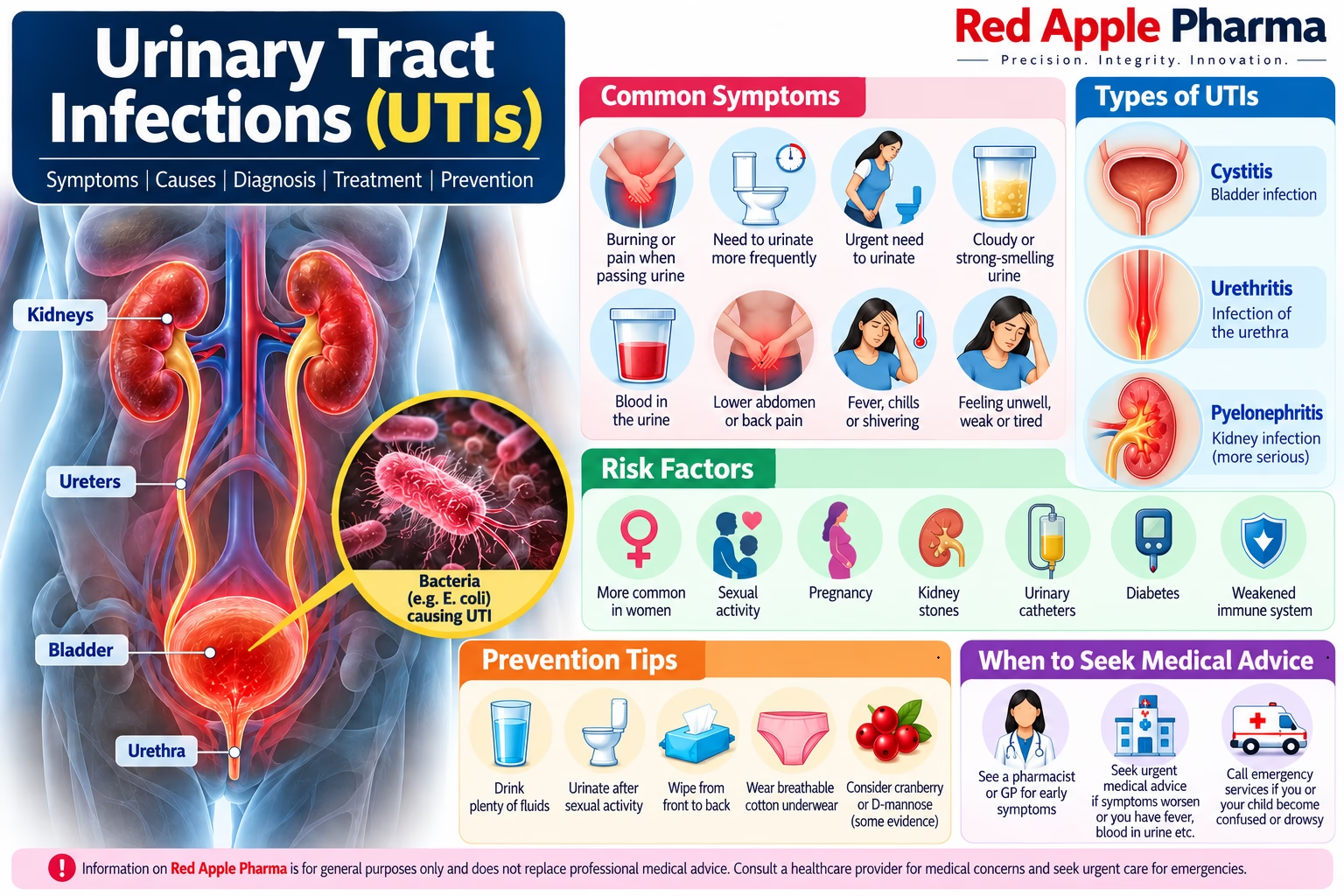
Urinary tract infections (UTIs) are infections that affect any part of the urinary system, which includes the bladder, urethra, ureters, and kidneys. Depending on the area involved, UTIs may be referred to as cystitis (bladder infection), urethritis (infection of the urethra), or pyelonephritis (kidney infection).
UTIs are common, particularly among women, and are usually caused by bacteria entering the urinary tract. Many infections are mild and may improve on their own, while others require antibiotic treatment to prevent complications.
Symptoms of a Urinary Tract Infection
Symptoms of a UTI can vary in severity and may develop suddenly. Common signs include:
- Pain, stinging, or burning when passing urine
- Needing to urinate more frequently than usual
- Waking at night to urinate more often
- A sudden, urgent need to pass urine
- Cloudy urine
- Blood in the urine, which may appear pink, red, or dark brown
- Pain or discomfort in the lower abdomen or lower back, beneath the ribs
- Fever, chills, or shivering
- Feeling generally unwell, weak, or extremely tired
- An unusually low body temperature (below 36°C)
Urine may also appear darker than usual or have a strong smell. If these are the only symptoms, dehydration may be the cause rather than infection.
Symptoms of UTIs in Children
UTIs can be harder to recognise in children, especially babies and toddlers. Symptoms may include:
- Fever or a temperature higher than normal
- Irritability or unusual fussiness
- Poor feeding or reduced appetite
- Vomiting
- Bedwetting or daytime accidents in a previously dry child
- Appearing generally unwell
Prompt medical assessment is important, as UTIs in children can sometimes lead to kidney problems if not treated.
Symptoms in Older or Frail Adults and Catheter Users
In older adults, particularly those with memory or concentration problems such as dementia, UTIs may present differently. People with urinary catheters may also have less typical symptoms.
Possible signs include:
- Sudden confusion, agitation, or changes in behaviour (delirium)
- Increased incontinence or leaking urine
- New or worsening shivering episodes
Because symptoms can be subtle, UTIs in older adults may be overlooked without careful monitoring.
When to Seek Medical Advice
Non-Urgent Advice
You may speak to a pharmacist if:
- You are a woman or girl aged 16 to 64
- You are not pregnant or breastfeeding
- You think you may have a UTI
Pharmacists can provide advice, recommend treatment, or supply the same medications prescribed by a GP if appropriate.
Urgent Medical Advice
- You are aged 65 or over
- Your child is 15 years old or younger
- You are male, or trans or non-binary and were assigned male at birth
- You are pregnant
- You have diabetes or a weakened immune system
- You have a catheter
- Symptoms worsen quickly or do not improve within 48 hours
- You experience severe pain in the abdomen or lower back
- You notice blood in your urine
- You have recurrent UTIs (2 within 6 months or 3 within a year)
- You develop fever, chills, or extreme temperature changes
These symptoms may indicate a kidney infection, which can be serious and may lead to sepsis if untreated.
Emergency Symptoms
Call emergency services or go to A&E immediately if:
- You or your child become confused or drowsy
- There is difficulty speaking or staying awake
Do not drive yourself to hospital. Call an ambulance or ask someone else to take you.
Diagnosis and Treatment
A pharmacist or GP may diagnose a UTI based on symptoms alone, although a urine sample is sometimes requested to confirm infection.
Treatment options may include:
- Advice on self-care measures
- Pain relief such as paracetamol
- A short course of antibiotics
- Delayed antibiotics, where you wait 48 hours to see if symptoms improve naturally
If antibiotics are prescribed, it is important to complete the full course even if symptoms improve early.
Recurrent Urinary Tract Infections (UTIs)
If UTIs keep returning, further investigation is needed. A GP may:
- Prescribe a different antibiotic or a low-dose antibiotic taken over several months
- Recommend vaginal oestrogen treatment for people who are perimenopausal or postmenopausal
- Prescribe medications that help prevent reinfection
- Refer you to a specialist for further testing
Long-Term (Chronic)Urinary Tract Infections (UTIs)
In some cases, UTI-like symptoms persist despite treatment, and urine tests may not show active infection. This may be due to bacteria embedded in the bladder lining, leading to a chronic UTI.
Chronic UTIs can be difficult to diagnose and may require long-term antibiotic therapy under specialist care. Ongoing symptoms can significantly affect daily life, and specialist referral is often necessary.
Self-Care Measures
To help relieve symptoms while recovering:
- Take paracetamol to reduce pain and fever
- Ensure children receive age-appropriate liquid paracetamol if needed
- Rest and drink plenty of fluids
- Aim to pass pale-coloured urine regularly
Some people use cystitis sachets, cranberry products, or similar supplements to help prevent UTIs. While these may help reduce recurrence for some individuals, there is no strong evidence that they treat an active infection.
Causes of Urinary Tract Infections (UTIs)
UTIs usually occur when bacteria from the bowel enter the urinary tract through the urethra.
Women are more prone to UTIs because they have a shorter urethra, making it easier for bacteria to reach the bladder.
Factors that increase the risk include:
- Sexual activity
- Pregnancy
- Kidney stones or blockages in the urinary tract
- Difficulty emptying the bladder fully
- Enlarged prostate in men
- Constipation in children
- Use of urinary catheters
- Poorly controlled diabetes
- A weakened immune system
- Inadequate fluid intake
Preventing Urinary Tract Infections
Helpful Habits
- Wipe from front to back after using the toilet
- Keep the genital area clean and dry
- Drink enough fluids to urinate regularly
- Urinate after sexual intercourse
- Change nappies or incontinence pads promptly
- Wear breathable cotton underwear
Habits to Avoid
- Avoid scented soaps or hygiene products around the genitals
- Do not delay urination when you feel the urge
- Avoid rushing when urinating—empty the bladder fully
- Avoid tight underwear
- Limit alcohol intake
- Reduce sugary foods and drinks
- Avoid spermicidal lubricants if prone to UTIs
Additional Preventive Options
For people with frequent bladder infections, some evidence suggests benefit from:
- D-mannose supplements
- Cranberry products, including juice or capsules
These products can contain high amounts of sugar and should be discussed with a healthcare professional, especially during pregnancy.
Summary
Urinary tract infections are common and often easy to treat, but they should not be ignored. Symptoms range from mild discomfort to serious illness, particularly in children, older adults, and people with underlying health conditions. Early recognition, appropriate treatment, and preventive measures can greatly reduce complications and recurrence.
⚠️ Medical Disclaimer:
Information on Red Apple Pharma is for general purposes only and does not replace professional medical advice. Consult a healthcare provider for medical concerns and seek urgent care for emergencies.