|
Getting your Trinity Audio player ready...
|
Mouth Cancer: A Comprehensive Guide
What is Mouth Cancer?
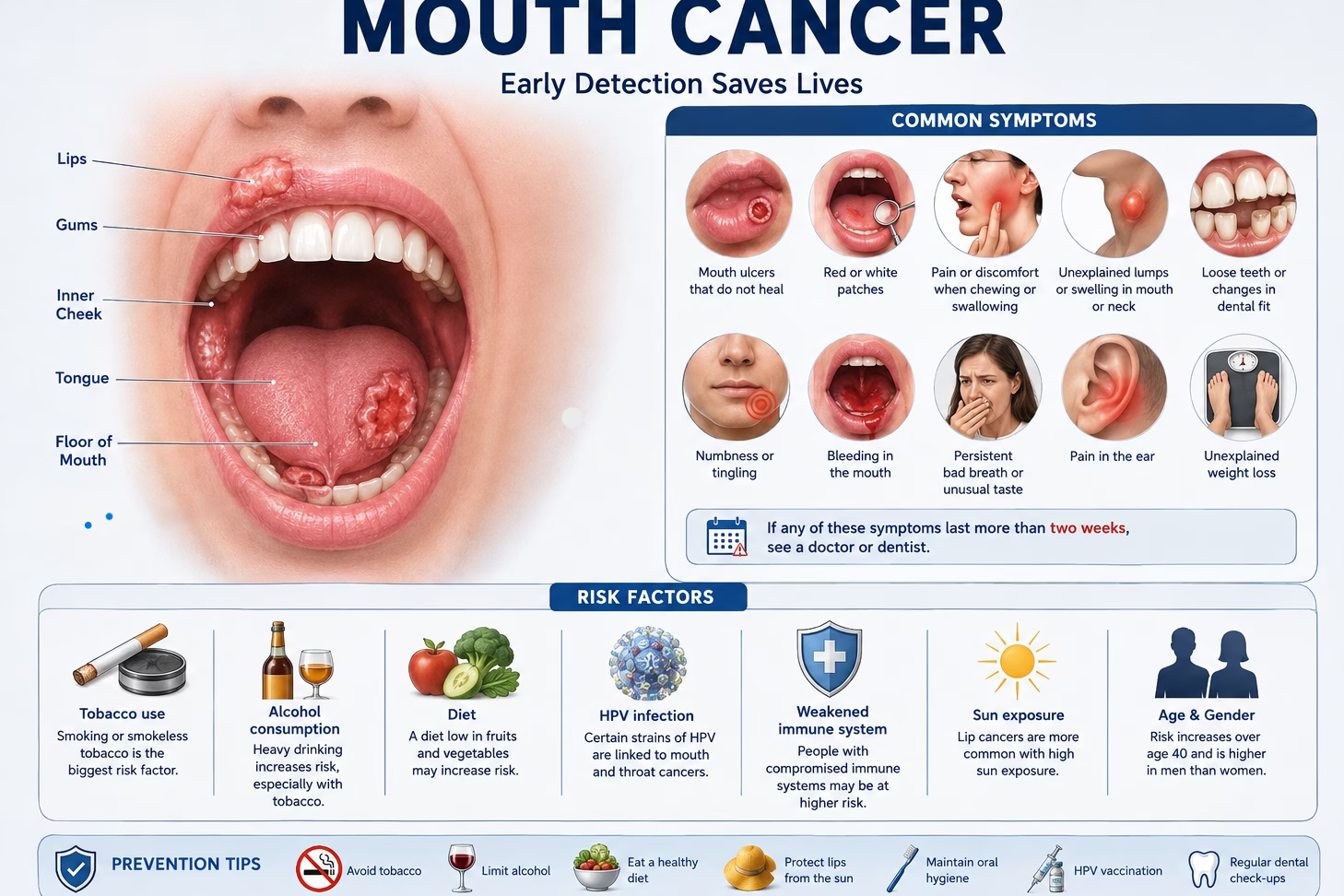
Mouth cancer, also called oral cancer, is a type of cancer that develops in any part of the mouth. This includes:
- The lips
- The tongue
- The gums
- The roof or floor of the mouth
- The inner lining of the cheeks
Mouth cancer occurs when the cells in these areas grow uncontrollably, forming a tumour. If untreated, the cancer can spread to other parts of the head, neck, or body. Early detection greatly improves the chances of successful treatment.
Mouth cancer is more common in adults over the age of 40 and slightly more common in men than women. Certain lifestyle choices and health conditions can increase the risk.
Symptoms of Mouth Cancer
Mouth cancer may not cause obvious symptoms in the early stages, but there are signs to watch for. If any of the following persist for more than two weeks, it’s important to see a doctor or dentist:
- Mouth ulcers that do not heal – persistent sores on the lips, tongue, or inside the cheeks.
- Unexplained lumps or thickened areas in the mouth, throat, or neck.
- Pain or discomfort when chewing, swallowing, or speaking.
- Red or white patches on the gums, tongue, or lining of the mouth.
- Loose teeth or changes in dental fit – dentures may no longer fit properly.
- Numbness or tingling in the lips, tongue, or other areas of the mouth.
- Bleeding in the mouth without obvious cause.
- Swelling of the jaw or neck – this could indicate that the cancer has spread to nearby tissues.
- Persistent bad breath or an unusual taste in the mouth.
Some people may also notice weight loss, fatigue, or pain in the ear, although these are less common. Early symptoms can be subtle, which is why regular dental check-ups are important for detection.
Causes and Risk Factors
Mouth cancer develops when normal cells in the mouth mutate and grow uncontrollably. While the exact cause is not always clear, certain risk factors increase the likelihood of developing mouth cancer:
Lifestyle Factors
- Tobacco use: Smoking cigarettes, cigars, pipes, or using smokeless tobacco (chewing tobacco, snuff) is the biggest risk factor.
- Alcohol consumption: Heavy drinking over a long period increases the risk, especially when combined with tobacco use.
- Diet: A diet low in fruits and vegetables may increase susceptibility.
Health and Viral Factors
- Human papillomavirus (HPV) infection: Certain strains of HPV are linked to cancers of the mouth and throat.
- Weakened immune system: People with compromised immune systems may be at higher risk.
Other Risk Factors
- Age: Risk increases with age, particularly over 40.
- Sun exposure: Lip cancers are more common in people with high sun exposure, especially on the lower lip.
- Gender: Men are more likely to develop mouth cancer than women.
Tests and Diagnosis
If a healthcare professional suspects mouth cancer, they will usually carry out a series of tests to confirm the diagnosis and determine its stage.
Examination of Mouth Cancer:
- Visual inspection: The doctor or dentist will check for lumps, ulcers, red or white patches, and swelling.
- Palpation: Feeling the neck and jaw for enlarged lymph nodes that could indicate the spread of cancer.
Investigations
- Biopsy: A small sample of tissue is taken from the suspicious area and examined under a microscope to confirm cancer.
- Imaging tests: These may include CT scans, MRI scans, or PET scans to determine the size of the tumour and whether it has spread.
- Endoscopy: A thin, flexible tube with a camera may be used to look deeper into the mouth, throat, and nasal passages if needed.
Referral and Next Steps
If cancer is confirmed, you will usually be referred to a specialist cancer centre for further evaluation and treatment planning. Early diagnosis significantly improves outcomes, so it is crucial not to delay seeing a professional if you notice persistent symptoms.
Stages of Mouth Cancer
Mouth cancer is classified into stages based on tumour size, lymph node involvement, and whether it has spread to other parts of the body:
- Stage I: Small tumour (less than 2 cm), no spread to lymph nodes.
- Stage II: Tumour 2–4 cm, still no spread to lymph nodes.
- Stage III: Tumour larger than 4 cm or spread to a single lymph node on the same side of the neck.
- Stage IV: Advanced cancer that has spread to multiple lymph nodes, nearby structures, or distant organs.
Treatment options and prognosis depend heavily on the stage at diagnosis.
Treatment for Mouth Cancer
Treatment for mouth cancer varies depending on the type, size, location, stage, and overall health of the patient. Most patients receive a combination of treatments.
Surgery
- Surgery is often the first-line treatment, especially for early-stage cancers.
- The surgeon removes the tumour and, if necessary, surrounding tissue.
- Sometimes lymph nodes in the neck are also removed to prevent the spread of cancer.
- Reconstruction may be needed to restore appearance and function, especially if parts of the tongue, jaw, or lips are removed.
- High-energy radiation is used to kill cancer cells.
- Can be used alone for early-stage cancers or after surgery to destroy remaining cancer cells.
- May cause side effects like dry mouth, difficulty swallowing, and skin changes.
Chemotherapy
- Uses drugs to kill cancer cells and may be used with radiotherapy (chemoradiation) for more advanced cases.
- Side effects can include nausea, hair loss, fatigue, and increased infection risk.
Targeted Therapy and Immunotherapy
- Some advanced cancers may respond to targeted drugs that attack specific cancer cells or immunotherapy that boosts the body’s immune response.
- These are usually considered when standard treatments are not suitable or have not worked.
Supportive Care
- Speech therapy, nutritional support, and pain management are important to maintain quality of life during and after treatment.
- Dentists, dietitians, and speech therapists often work alongside oncologists to support recovery.
Living with Mouth Cancer
A diagnosis of mouth cancer can be overwhelming, both physically and emotionally. Recovery and ongoing care may involve:
- Regular follow-ups: Checking for recurrence or new cancers.
- Lifestyle changes: Quitting smoking and reducing alcohol intake significantly lower the risk of recurrence.
- Support networks: Talking to counsellors, joining cancer support groups, or connecting with charities like Cancer Research UK or Macmillan Cancer Support.
- Rehabilitation: Exercises and therapy to restore speech, swallowing, and jaw movement.
- Dietary adjustments: Soft foods or nutritional supplements may be necessary after surgery or radiotherapy.
Prevention of Mouth Cancer
While not all mouth cancers can be prevented, several steps can significantly reduce risk:
- Avoid tobacco: Quit smoking and avoid smokeless tobacco.
- Limit alcohol: Reduce alcohol consumption, especially in combination with tobacco.
- Protect lips from the sun: Use SPF lip balm and wear a hat outdoors.
- Eat a healthy diet: Include plenty of fruits and vegetables.
- Maintain oral hygiene: Regular dental check-ups can help detect early signs of mouth cancer.
- HPV vaccination: Protects against strains of HPV linked to oral cancers.
Early detection is key: noticing changes in your mouth and seeking prompt advice from a healthcare professional can save lives.
When to Seek Help
You should see a GP or dentist promptly if you notice:
- Any sore, lump, or patch in the mouth that does not heal within 2–3 weeks
- Pain, bleeding, or numbness in the mouth or lips
- Changes in speech, swallowing, or chewing
- Swelling in the neck or unexplained weight loss
Regular dental check-ups also provide an opportunity for early detection, even if no symptoms are present.
Support and Resources
Living with mouth cancer requires practical and emotional support:
- Cancer support charities: Organizations such as Macmillan Cancer Support and Cancer Research UK provide information, counselling, and financial advice.
- Specialist nurses: Can offer guidance on treatment, symptom management, and navigating hospital services.
- Patient support groups: Sharing experiences with others who have mouth cancer can reduce feelings of isolation.
- Online resources: Reliable websites provide up-to-date information on treatments, clinical trials, and coping strategies.
Key Points
- Mouth cancer can occur in the lips, tongue, gums, roof, and floor of the mouth.
- Early symptoms include persistent sores, lumps, red or white patches, pain, and difficulty swallowing.
- Risk factors include tobacco, alcohol, HPV infection, sun exposure, and age.
- Diagnosis involves a clinical examination, biopsy, and imaging tests.
- Treatments include surgery, radiotherapy, chemotherapy, and supportive care.
- Early detection, lifestyle changes, and ongoing support greatly improve outcomes.