|
Getting your Trinity Audio player ready...
|
Salivary Gland Stones
Salivary gland stones, medically known as sialoliths, are hardened mineral deposits that develop inside the salivary glands or their ducts. These stones can interfere with the normal flow of saliva into the mouth, sometimes leading to discomfort, swelling, or infection. Although the condition can be painful and inconvenient, it is usually not dangerous and is often manageable with simple measures or minor medical treatment.
Saliva plays a vital role in digestion, oral lubrication, and protection against bacteria. When the normal movement of saliva is blocked by a stone, symptoms tend to appear, particularly during eating. Understanding the causes, symptoms, and treatment options for salivary gland stones can help individuals recognize the condition early and seek appropriate care.
What Are Salivary Glands?
The human mouth contains several salivary glands that produce saliva throughout the day. The three main pairs of salivary glands are:
- Submandibular glands – located beneath the jaw and responsible for producing most of the saliva.
- Parotid glands – found in front of and below the ears.
- Sublingual glands – situated beneath the tongue.
Salivary gland stones most commonly develop in the submandibular glands, largely because the saliva produced here is thicker and travels upward against gravity through longer ducts. This environment makes mineral deposits more likely to form.
What Are Salivary Gland Stones Made Of?
Salivary gland stones are usually composed of calcium salts, along with other minerals and organic materials. Over time, these substances can crystallize and gradually increase in size. The stones are typically white or yellowish in color and have a firm or hard texture.
The size of salivary stones can vary considerably. Some are tiny and barely noticeable, while others can grow to the size of a pea or larger. Larger stones are more likely to cause noticeable symptoms and complications.
Symptoms of Salivary Gland Stones
Not all salivary gland stones cause symptoms, especially if they are small and do not obstruct saliva flow. However, when symptoms do occur, they can range from mild discomfort to significant pain.
Common symptoms of salivary gland stone include:
- A dull or aching pain in the mouth or jaw
- Swelling under the tongue, jaw, or cheek
- Pain that worsens before or during meals
- Intermittent swelling that comes and goes
- Dry mouth or reduced saliva flow
- A bad taste in the mouth
One hallmark sign of salivary gland stones is pain during eating. This happens because saliva production increases when food is consumed, but the blocked duct prevents saliva from flowing normally. As pressure builds up in the gland, pain and swelling intensify. This pain often lasts from one to two hours after meals.
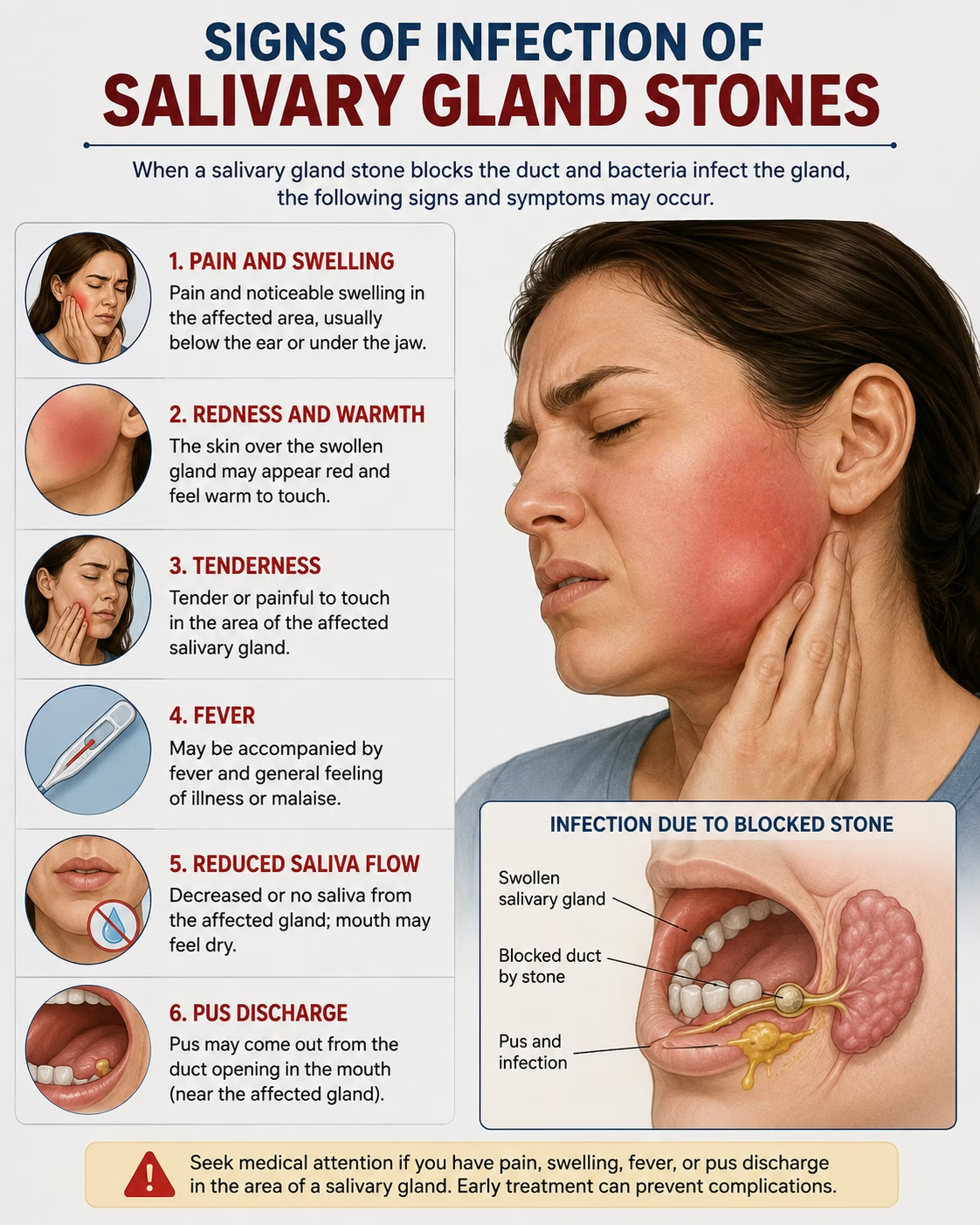
Signs of Infection of Salivary Gland Stones
If a salivary gland stone remains lodged in place for an extended period, it can lead to infection, known as sialadenitis. Signs of infection include:
- Increased pain and tenderness
- Redness or warmth around the affected area
- Pus or discharge near the duct opening
- Fever or chills
- Feeling generally unwell
An infected salivary gland requires medical attention, as untreated infections can spread and cause further complications.
Why Do Salivary Gland Stones Form?
The exact cause of salivary gland stones is not always clear. However, several factors are thought to increase the likelihood of their formation:
- Reduced saliva flow, which allows minerals to accumulate
- Dehydration, leading to thicker saliva
- High calcium content in saliva
- Poor oral hygiene
- Certain medications, such as antihistamines or diuretics, which reduce saliva production
- Smoking
- Trauma or inflammation affecting the salivary glands
Despite these associations, many people develop salivary stones without any identifiable risk factors. The condition is generally not linked to serious systemic illnesses.
Home Measures to Help Remove Salivary Gland Stones
In many cases, small salivary gland stones can be managed at home. The goal of home treatment is to stimulate saliva production, which may help push the stone out naturally.
Helpful strategies include:
- Drinking plenty of water to stay well hydrated
- Gently massaging the affected gland toward the mouth
- Chewing sugar-free gum to encourage saliva flow
- Sucking on sugar-free candies, lozenges, or lemon drops
- Using warm compresses on the outside of the jaw
If mild pain or swelling is present, additional measures may help:
- Taking over-the-counter pain relievers such as paracetamol or ibuprofen
- Sucking on ice cubes or ice lollies to reduce swelling and discomfort
It is important to note that symptoms usually persist until the stone is removed or passes on its own.
Important Safety Advice
Individuals should never attempt to remove a salivary gland stone using sharp or pointed objects. Doing so can damage the delicate tissues of the mouth and increase the risk of bleeding or infection. If a stone does not come out easily with gentle measures, professional medical care is required.
When to See a Doctor
Medical advice should be sought if:
- The stone cannot be removed at home
- Pain or swelling worsens
- Signs of infection develop, such as redness, pus, or fever
- Eating becomes increasingly painful
- Symptoms persist for several days
A general practitioner (GP) or dentist can assess the condition and determine the appropriate treatment.
Medical Treatment Options
Small salivary gland stones may eventually fall out on their own, especially with increased saliva stimulation. However, if this does not happen, medical intervention may be necessary.
A GP or specialist may attempt to remove the stone by:
- Gently manipulating the stone out of the duct
- Using a thin, blunt instrument to extract it
If the stone is deeply embedded or particularly large, referral to a hospital or specialist may be required. Advanced treatment options can include:
- Sialendoscopy, a minimally invasive procedure using a tiny camera and tools
- Minor surgical removal under local or general anesthesia
- Ultrasound-guided techniques to break down larger stones
These procedures are generally safe and effective.
Recovery and Outlook
Once a salivary gland stone has been removed, symptoms usually resolve quickly. Most people recover fully without long-term problems. Normal saliva flow typically returns, improving comfort and oral health.
In most cases, salivary gland stones do not recur. However, some individuals may experience repeated episodes. If stones continue to form frequently, doctors may recommend removing the affected salivary gland. This is considered a last resort and does not usually cause significant long-term issues, as other glands can compensate for saliva production.
Can Salivary Gland Stones Be Prevented?
Because the exact cause of salivary gland stones is not fully understood, there is no guaranteed way to prevent them. However, certain lifestyle measures may reduce the risk:
- Staying well hydrated
- Maintaining good oral hygiene
- Avoiding smoking
- Managing conditions or medications that reduce saliva flow
- Regular dental check-ups
These steps may help maintain healthy saliva production and reduce mineral buildup.
Salivary Gland Stones: Key Takeaways
Salivary gland stones are a relatively common and usually harmless condition that can cause discomfort when saliva flow is blocked. While symptoms such as pain and swelling can be unpleasant—particularly during meals—most cases are manageable with simple home remedies or minor medical treatment.
Early recognition of symptoms and appropriate care can prevent complications such as infection. With proper management, the outlook for individuals with salivary gland stones is excellent, and long-term problems are uncommon.